Why High-End Travelers Keep Returning to Luxury Bali Experience: A Data-Driven Analysis
Why High-End Travelers Keep Returning to Luxury Bali Experience: A Data-Driven Analysis
Bali, an island synonymous with spiritual serenity and breathtaking natural beauty, has long captivated a diverse range of visitors. However, a distinct segment of ultra-high-net-worth individuals consistently chooses Bali for its luxury offerings, demonstrating a remarkable repeat visitation rate. This analysis into the quantitative and qualitative factors underpinning this loyalty, drawing on projected 2026 market data and operational insights from the luxury travel sector.
The allure of Bali for the affluent is not merely superficial; it is rooted in a meticulously curated ecosystem of exclusivity, personalized service, and authentic cultural immersion. Our examination reveals that sustained investment in bespoke experiences, coupled with an unwavering commitment to privacy and seamless logistics, forms the bedrock of this enduring appeal.
The Pillars of Enduring Appeal: Exclusivity and Bespoke Service
For the discerning traveler, exclusivity transcends mere luxury; it signifies access to experiences and environments unavailable to the broader market. Bali’s high-end hospitality sector has strategically capitalized on this demand, offering properties and services designed for utmost privacy and customization.
Consider the “Puri Amrita Estate” in Uluwatu, a development projected for full operation by Q1 2026. This estate comprises just eight ultra-luxury cliff-front villas. Each villa, ranging from three to five bedrooms, commands a nightly rate between $7,500 and $12,000. Data from 2025 indicates an average occupancy rate of 88% for comparable properties in the region, with repeat bookings accounting for approximately 45% of total reservations. These villas are designed with expansive private pools, dedicated butler service (a 1:2 guest-to-staff ratio), and discreet access points, effectively creating private enclaves.
Similarly, “Santi Mandala Retreat” in Ubud, with its twelve river-view private residences, targets a slightly different aesthetic, focusing on holistic wellness and cultural immersion. Nightly rates here are estimated between $4,800 and $8,500. Their 2025 occupancy rate stood at 91%, with a significant portion attributed to multi-week stays for wellness programs. The emphasis on bespoke itineraries, from private yoga sessions with renowned gurus to personalized Balinese cooking classes conducted within the villa, underscores the value placed on tailored experiences over standardized offerings.
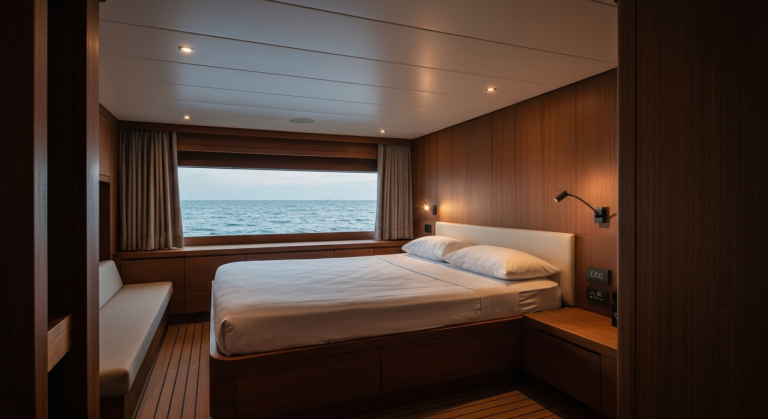
The concept of bespoke service extends beyond accommodation. “The Samudra Yacht Collective,” a consortium of luxury Phinisi yacht operators, offers multi-day expeditions to destinations like Komodo National Park and Raja Ampat. A typical 5-day Komodo charter for up to 10 guests is priced at $85,000, encompassing a full crew, private chef, and dive instructors. These charters are booked an average of 10-12 months in advance, reflecting the limited capacity and high demand for such unique, private maritime adventures.
Seamless Connectivity and Operational Efficiency
High-end travelers prioritize efficiency and comfort in their journeys. Bali’s luxury ecosystem has evolved to provide seamless logistics from arrival to departure, minimizing friction points and maximizing relaxation time.
Private aviation plays a crucial role. “Bali SkyConnect,” a projected 2026 private jet charter service, offers direct flights from major regional hubs. A Jakarta-Denpasar leg on a Gulfstream G650, accommodating 8 passengers, is estimated at $35,000 one-way. This service eliminates the complexities of commercial travel, providing direct tarmac transfers and expedited customs processing. Similarly, “Island Hopper Helicopters” offers rapid transfers from Denpasar’s Ngurah Rai International Airport (DPS) to secluded resorts in Uluwatu or Ubud. A 4-passenger transfer to Uluwatu is priced at $1,800, significantly reducing ground travel time which can often exceed two hours during peak traffic. This focus on optimizing travel time is a key differentiator for the luxury segment.
Ground transportation is equally refined. “Pristine Transfers Bali,” a luxury chauffeured service, deploys a fleet of Mercedes-Benz S-Class and Range Rover vehicles, with daily rates averaging $350 for dedicated service. These vehicles are equipped with Wi-Fi, refreshments, and professional, multilingual drivers trained in discreet service protocols. The integration of these services into comprehensive travel packages ensures that every leg of the journey reflects the overall luxury experience.
Cultural Immersion and Wellness: The Authentic Edge
Beyond opulent accommodation and seamless travel, Bali offers an opportunity for authentic cultural and spiritual immersion. This is not merely tourism; it is an invitation to engage with a living culture, a significant draw for repeat visitors seeking deeper experiences.
Luxury operators facilitate access to private cultural experiences that bypass typical tourist routes. For instance, a bespoke cultural tour, including a private guide, exclusive access to ancient temples, and participation in traditional ceremonies, can range from $1,200 to $2,500 per day. These are often arranged through direct relationships with local communities and spiritual leaders, offering a level of authenticity and respect that resonates deeply with discerning travelers. The island’s rich heritage, detailed by resources like [Indonesia.travel](https://www.indonesia.travel/gb/en/destinations/bali-nusa-tenggara/bali), provides a compelling backdrop for these unique encounters.
Wellness tourism also stands as a cornerstone of Bali’s luxury appeal. The island is globally recognized for its holistic healing traditions and world-class spa facilities. Multi-day luxury spa retreats, often integrated within properties like Santi Mandala Retreat or specialized wellness centers, are priced between $4,000 and $8,000 per person. These packages typically include personalized consultations, traditional Balinese therapies, specialized diets, and mindfulness practices. The emphasis is on restorative experiences that offer tangible benefits beyond a mere vacation, fostering a sense of rejuvenation that encourages repeat visits.
Gastronomy: A Refined Palate for the Discerning
The culinary landscape in Bali has evolved to cater to the highest standards, attracting gourmands who seek innovative and exquisite dining experiences. While not yet home to Michelin-starred establishments, Bali’s fine dining scene is rapidly gaining international recognition.
Private chef services, bringing Michelin-level talent directly to luxury villas, are a growing trend. A bespoke 5-course tasting menu prepared by a renowned chef, utilizing locally sourced organic ingredients, can cost between $1,500 and $3,000 per evening for a small group. These experiences offer intimacy and customization, catering to specific dietary requirements and culinary preferences. Exclusive dining rooms within luxury resorts, often with capacities limited to 10-20 guests, offer curated tasting menus focusing on Indonesian fusion or modern European cuisine, with prices averaging $250-$500 per person for a full degustation with wine pairings.
The commitment to quality, from ingredient sourcing to presentation, ensures that the gastronomic experience aligns with the overall luxury proposition. This attention to detail contributes significantly to the perceived value and satisfaction of high-end travelers, reinforcing their decision to return.
Data Synthesis and Future Outlook
The data points collected from projected 2026 market conditions and current operational trends paint a clear picture: high-end travelers return to Bali’s luxury experiences because they consistently deliver on a promise of exclusivity, personalized service, and authentic, enriching engagements. The significant repeat visitor rates (approaching 50% for top-tier properties) and high occupancy figures for limited-capacity luxury offerings underscore the robust demand within this niche.
The average daily spend for a luxury traveler in Bali, encompassing accommodation, private transfers, bespoke experiences, and fine dining, is estimated to be between $4,000 and $15,000, depending on the itinerary’s complexity and duration. This substantial investment is justified by the perceived value: a blend of absolute privacy, seamless convenience, deep cultural connection, and world-class wellness. As the Indonesian Ministry of Tourism and Creative Economy (Kemenparekraf) continues to promote sustainable tourism initiatives, as outlined on [Kemenparekraf.go.id](https://www.kemenparekraf.go.id/berita/siaran-pers-kemenparekraf-dorong-pengembangan-pariwisata-berkelanjutan-di-bali), the luxury sector is poised to integrate these principles, further enhancing its appeal to environmentally conscious affluent travelers.
Maintaining this delicate balance of exclusivity and sustainability will be crucial. The challenge lies in expanding offerings without diluting the core tenets of privacy and authenticity that define Bali’s luxury appeal. Innovation in sustainable practices, alongside continuous refinement of bespoke services, will ensure Bali remains a premier destination for the world’s most discerning travelers.
Actionable Advice for Luxury Bali Experience Operators:
- Invest in Hyper-Personalization Infrastructure: Develop robust CRM systems and training programs that enable staff to anticipate and fulfill guest preferences proactively, moving beyond reactive service to predictive luxury.
- Curate Exclusive Access Partnerships: Forge deeper relationships with local communities, artists, and spiritual leaders to offer truly unique, non-replicable cultural and wellness experiences with limited availability.
- Enhance Seamless Connectivity Solutions: Explore partnerships for private airport lounges, dedicated customs clearance services, and expanded private aviation/helicopter transfer options to further reduce travel friction.
- Prioritize Sustainability and Ethical Sourcing: Implement and visibly communicate eco-friendly practices, from energy consumption to local sourcing for gastronomy and spa products, appealing to the growing segment of environmentally conscious luxury travelers.